
Polyendocrine metabolic ovarian syndrome (PMOS), formerly known as polycystic ovary syndrome (PCOS), develops when the ovaries produce excess hormones, leading to hormonal imbalances that cause ovarian cysts, irregular or missed periods and ovulation problems.
While the exact cause is unknown, insulin resistance, adrenal gland dysfunction and abnormal hormone levels are known to be contributing factors.
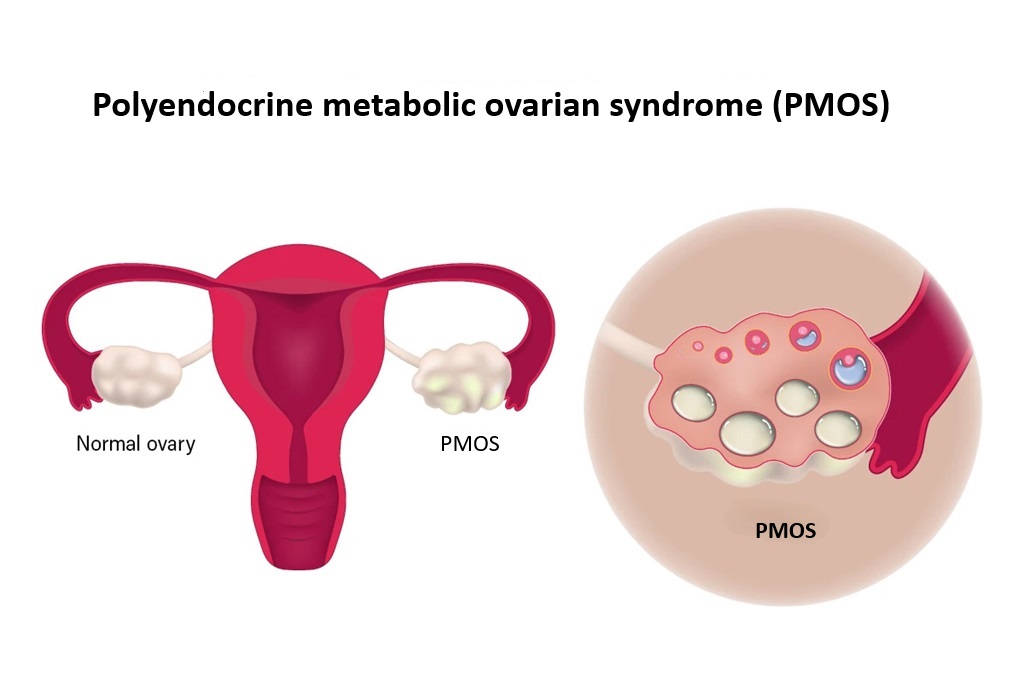
What hormones contribute to PMOS?
Several hormones play a role in PMOS, contributing to symptoms such as irregular periods, excess hair growth and weight gain. These include:
- Androgens (male hormones): PMOS causes you to have abnormal levels of testosterone, leading to symptoms such as acne, excess hair growth and hair thinning.
- Insulin: Many people with PMOS have insulin resistance, meaning their body doesn’t use insulin effectively. This can lead to high insulin levels, which may contribute to weight gain and increased testosterone production.
- Luteinizing hormone (LH): This hormone stimulates ovulation. In PMOS, LH levels may be elevated, which can disrupt your normal ovulation cycle and contribute to infertility.
- Follicle-stimulating hormone (FSH): FSH helps regulate egg development in the ovaries. If you have PMOS, your FSH levels are often lower than normal, making it harder for your eggs to be able to become fertilized.
- Progesterone: Low progesterone levels in PMOS can cause irregular or missed periods.
- Estrogen: While estrogen levels may be normal or slightly elevated with PMOS, hormonal imbalances can disrupt the menstrual cycle and affect your reproductive health.
Since PMOS is a hormonal disorder, managing these imbalances through lifestyle changes and medication can help improve symptoms.
What are PMOS symptoms?
PMOS symptoms can vary in each person, but common PMOS symptoms include:
- Irregular or missed periods
- Excess hair growth on the face and body
- Acne and oily skin
- Weight gain, especially around the midsection
- Thinning hair or hair loss
- Skin darkening in certain areas
- Difficulty getting pregnant
What worsens PMOS?
Certain factors can make PMOS symptoms worse, including:
- Insulin resistance: When your body doesn’t use insulin the way it’s supposed to, it can cause your insulin levels to spike and lower your blood sugar and cause your body to produce more testosterone, which can worsen symptoms such as excess hair growth, acne and weight gain.
- Poor diet: Diets high in processed foods and sugars can contribute to weight gain and blood sugar spikes, making PMOS symptoms harder to manage.
- Lack of physical activity: Exercise helps regulate your hormones. If you don’t exercise regularly, it can worsen PMOS symptoms.
- High stress levels: Chronic stress triggers the release of the hormone cortisol, which causes an imbalance of androgens and insulin.
- Hormonal imbalances: PMOS already involves abnormal hormone levels, but factors like sleep disturbances, adrenal gland dysfunction or other endocrine disorders can further disrupt the hormone balance.
- Weight gain: Excess weight, especially around the belly, can increase insulin resistance and inflammation, leading to more severe PMOS symptoms.
Making lifestyle changes, such as eating a healthy diet, exercising regularly, managing stress and following your doctor’s treatment plan, can help reduce PMOS symptoms.
Polycystic ovary syndrome diagnosis
If your doctor believes you have PMOS, they may recommend you be seen by a reproductive endocrinologist. PMOS can be a complex condition with many treatment options. PMOS is often misdiagnosed unless a complete infertility evaluation is performed.
Typical blood tests include testing for follicle stimulating hormone (FSH), luteinizing hormone (LH), prolactin, thyroid hormone, and fasting glucose and insulin levels.
Polycystic ovary syndrome treatment
Weight loss will sometimes restore ovulation in obese patients; however, it is very difficult for PMOS patients to lose weight. If body weight is reduced, it is also difficult to maintain due to a variety of reasons.
While the best diet has not been determined, a low carbohydrate approach works well with many people. Women who are interested in weight loss should discuss these issues with a reputable organization or talk with a nutritionist.
Medications, such as Clomid or Glucophage (metformin), are often the best treatments.
What other conditions are linked to PMOS?
If PMOS is left untreated or unmanaged, it can lead to several complications, including:
- Infertility
- Type 2 diabetes
- Heart disease
- Sleep apnea
- Endometrial cancer
- Depression
- Anxiety
- Fatty liver disease
Can you still get pregnant if you have PMOS?
You can still get pregnant if you have PMOS, but it may be more challenging due to irregular ovulation or lack of ovulation.
Many people with PMOS successfully conceive with the right treatments and lifestyle changes. Some ways to improve fertility with PMOS include:
- Lifestyle changes: Maintaining a healthy weight, eating a balanced diet, and exercising regularly can help regulate hormones and improve ovulation.
- Medications: Your doctor may prescribe medications to stimulate ovulation and regulate your menstrual cycle, such as birth control pills.
- Fertility treatments: If medications don’t work, options such as ovarian drilling, intrauterine insemination (IUI) or in vitro fertilization (IVF ) may be recommended.
- Managing stress: High stress levels can disrupt hormones, so practices like yoga, meditation and good sleep habits may help.
While PMOS can make it harder to conceive, many people go on to have healthy pregnancies. If you’re trying to get pregnant, talk to your doctor about PMOS treatment options to help improve fertility.